Why Is My Garage Door Remote Control Not Working?
Your garage door remote control may stop working for several common reasons. Often, dead or weak batteries are the culprit, preventing the transmitter from sending the remote signal effectively. Signal interference caused by other wireless devices or obstacles between the remote and receiver can also disrupt communication. Additionally, compatibility issues arise if the remote frequency does not match the garage door opener’s receiver frequency, especially when replacing remotes or upgrading systems. Weather conditions such as rain, humidity or extreme temperatures can impact both battery life and electronic components inside the remote casing. Physical damage to the remote’s buttons or internal circuits may further impair operation. Understanding these factors helps pinpoint the issue for targeted troubleshooting.
How Can I Check and Replace the Batteries in My Garage Door Remote?
Checking and replacing the batteries in your garage door remote is a straightforward first step. Begin by carefully opening the remote casing; some models have screws while others snap apart. Locate the keypad battery or primary battery compartment, identifying the correct battery type—usually coin cell, AAA, or AA batteries. Remove the old batteries and inspect battery contacts for signs of corrosion, cleaning them gently with a cotton swab soaked in alcohol if necessary to ensure good connection. Insert fresh batteries, paying attention to polarity indicated inside the casing. Securely close the remote casing before testing button contacts by pressing the remote near the garage door to check if the opener responds properly. Regular battery replacement maintains optimal remote range and performance.
What Should I Do If There Is Signal Interference with My Garage Door Remote?
Signal interference can degrade your garage door remote’s range and reliability. Common sources include nearby Wi-Fi routers, cordless phones, wireless security cameras, or even neighbouring garage door remotes operating on similar frequencies. To reduce interference, try repositioning the garage door opener’s antenna—if accessible—to improve transmitter and receiver connectivity. Testing the remote range by pressing buttons at different distances and angles reveals if obstructions like metal shelving, vehicles, or thick walls block the infrared sensor or radio signal. Removing or relocating these objects enhances communication. In persistent cases, upgrading to a remote that uses a different frequency band or advanced wireless technology may be necessary for uninterrupted operation.
How to Reprogram or Sync the Garage Door Remote with the Opener?
Reprogramming or syncing your garage door remote ensures it communicates correctly with the opener’s controller. Most modern openers feature a reset or ‘learn’ button on the motor unit or circuit board. The general process involves pressing and holding this button until an LED indicator activates, signalling programming mode. Within 30 seconds, press and hold the desired button on your remote until the opener light flashes or a beep confirms successful pairing. Older models may require adjusting dip switches inside both the remote and opener to match frequency settings manually. Rolling code technology automatically updates security codes for enhanced protection but still requires syncing after battery replacement or if the remote loses sync. Refer to your user manual for exact steps tailored to your model.
What to Check If the Garage Door Opener Itself Might Be Causing Remote Issues?
If your remote appears functional yet the garage door won't respond, the fault may lie with the opener. Start by verifying the power supply; ensure the opener is plugged in and the circuit breaker is operational. Inspect wiring connections for wear, loose terminals, or damage. The motor and circuit board should be visually examined for burnt components or corrosion. Safety sensors positioned near the garage door track must be clean, aligned precisely, and free from obstructions to prevent the opener from halting door movement. Test the wall switch to confirm the opener’s responsiveness; if it works but the remote does not, focus troubleshooting on wireless components. Faulty motors or control boards usually require professional repair or replacement.
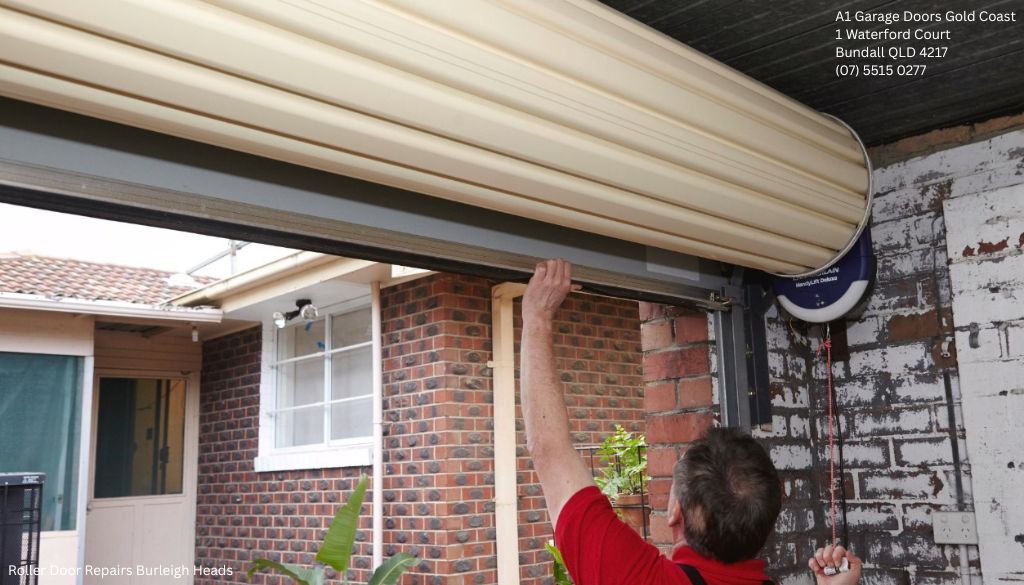
How Do Weather and Physical Obstructions Affect My Garage Door Remote Control?
Environmental factors significantly impact the effectiveness of your garage door remote control. Moisture from rain or high humidity can seep into the remote casing, damaging the transmitter or corroding button contacts. Similarly, extreme temperatures — either very hot or cold — reduce battery efficiency and electronic reliability. Physical obstructions such as parked vehicles, storage boxes, or thick concrete walls between the remote and garage door opener can block the remote signal, especially if using infrared sensors. Mechanical locks or misaligned garage door tracks may restrict door movement despite receiving remote commands. Maintaining a clear line of sight and protecting your remote from harsh weather preserves signal range and device longevity.
When Should I Consider Replacing My Garage Door Remote Control?
Replacement is advisable under several circumstances. Visibly damaged remotes with cracked casings, broken buttons, or worn out button contacts often fail to transmit proper signals. Compatibility issues emerge when installing newer garage door openers incompatible with an older remote’s frequency or programming method. If repeated battery replacements and reprogramming attempts do not resolve connectivity problems, internal transmitter or receiver components might be faulty. Upgrading to a remote featuring advanced wireless technology, rolling code security, or smartphone connectivity enhances convenience and protection against signal interception. Evaluating the cost-benefit of repair versus replacement supports informed decision-making.
Are There Any Safety Precautions When Troubleshooting a Garage Door Remote?
Safety is paramount when working on garage door systems. Always disconnect the power supply before inspecting wiring, circuit boards, or the motor to avoid electric shock. Avoid manually forcing the garage door open or closed unless engaging the designated manual override mechanism, as springs under tension can cause injury. Keep safety sensors clean and correctly aligned to prevent accidental closure during testing, thereby protecting people and property. Exercise caution around mechanical locks and moving parts, and refrain from attempting complex repairs beyond your expertise. When uncertain, seeking professional assistance ensures safe and reliable outcomes.
How to Maintain Your Garage Door Remote for Long-Lasting Performance?
Maintaining your garage door remote extends its lifespan and reduces malfunctions. Replace batteries every 1-2 years or sooner if you notice reduced remote range or delayed responses. Keep the remote casing clean, avoiding exposure to dust, moisture, or extreme temperatures. Handle the remote carefully to prevent drops or impacts that can damage internal components. Periodically clean button contacts with a soft brush or cloth to prevent grime buildup affecting signal transmission. Store the remote in a safe, dry location away from direct sunlight or heat sources. Consistent maintenance supports seamless remote operation and home security.
Expert Insights on Choosing the Right Garage Door Remote Control
Industry specialists recommend selecting a remote control compatible with your garage door opener’s frequency and programming protocol. Remotes employing rolling code technology offer superior security by changing transmission codes with each use, protecting against hacking attempts. For garages located farther from vehicle entry points, choose remotes with extended wireless range. Those with smart home integration can use Wi-Fi-enabled remotes or mobile apps for enhanced convenience and remote monitoring. Consulting your garage door manufacturer or certified installer ensures you select remotes that best fit your security and usability needs.
Troubleshooting Guide for Common Garage Door Opener Problems Beyond the Remote
While remote control issues are frequent, problems may also root from other garage door system components. Faulty opener motors or worn garage door springs can prevent proper door movement. Malfunctioning safety sensors or dirty, obstructed sensor lenses cause the door to stop or reverse unexpectedly. Wiring faults, blown fuses, or circuit board failures inside the controller disrupt overall operation. Wall switch issues or depleted https://goldcoastgaragedoorrepair.wordpress.com/ keypad batteries might mimic remote control failures. Comprehensive diagnostics involving each part of the garage door system is essential for lasting solutions.
FAQ
- Q1: How often should I replace the batteries in my garage door remote? A: Batteries typically last 1-2 years, but replace them sooner if you experience reduced range or inconsistent responses. Q2: Can weather damage my garage door remote? A: Yes, moisture and extreme temperatures can degrade batteries and internal electronics, so protect your remote accordingly. Q3: My garage door remote works sometimes; what could be the cause? A: Intermittent operation often results from weak batteries, signal interference, or partial damage to button contacts. Q4: How do rolling codes improve garage door remote security? A: Rolling codes change the transmitted code with each use, preventing code grabbing and replay attacks. Q5: Is it safe to open the remote casing myself? A: Yes, provided you follow manufacturer instructions carefully and use proper tools to avoid damaging components. Q6: What does it mean if the garage door lights blink when I press the remote? A: Blinking lights typically indicate safety sensor misalignment or communication errors between the remote and opener.
By following these comprehensive troubleshooting tips and adhering to safety guidelines, you can efficiently diagnose and resolve most issues affecting your garage door remote control. Routine maintenance and understanding your system’s components enhance performance, security, and convenience for years to come.
References:
- Official Garage Door Opener User Manuals - Safe Work Australia Electrical Safety Guidelines